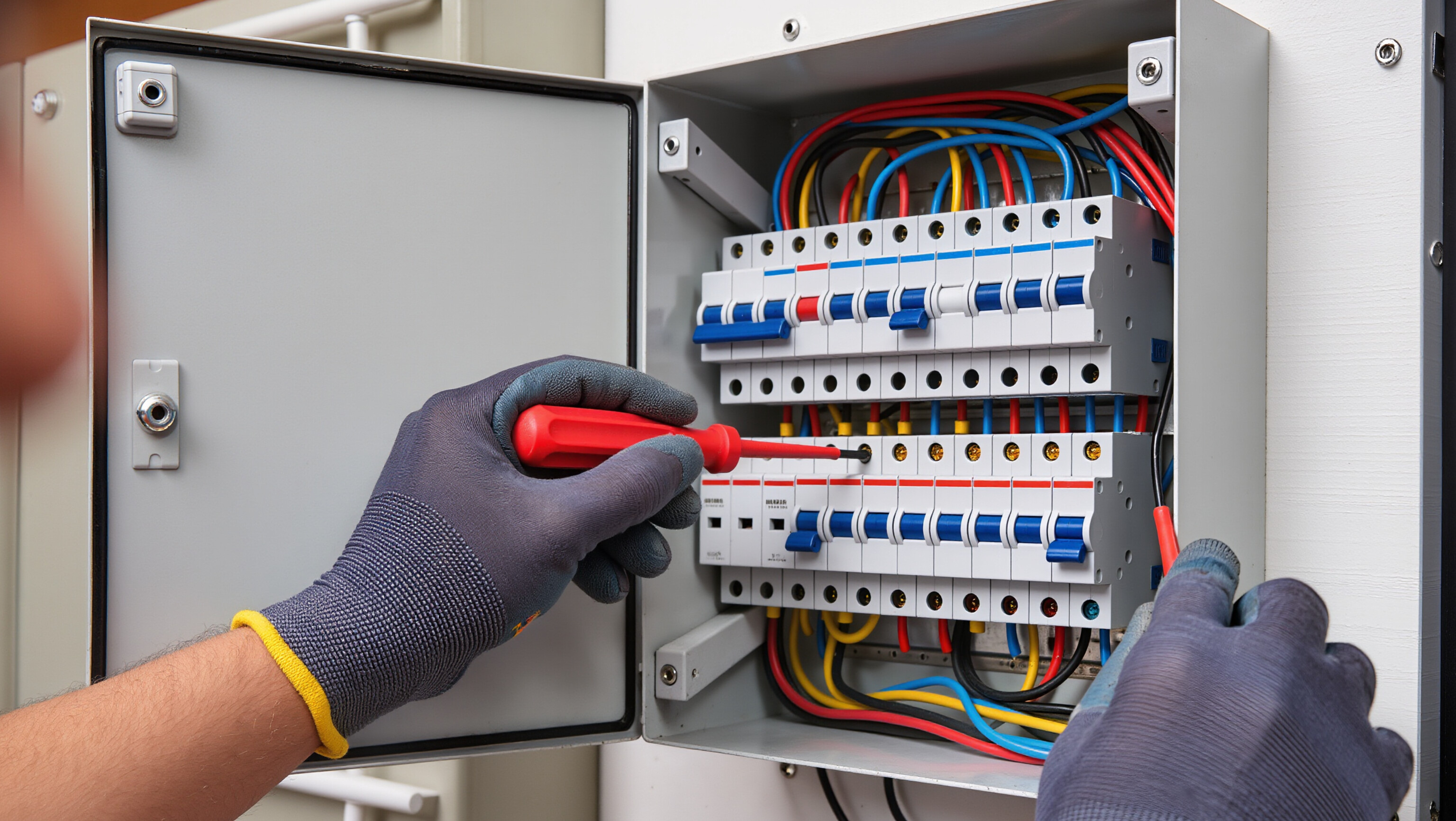
7 Warning Signs You Have an Electrical Problem at Home
Electrical issues in your Honolulu home can range from annoying to dangerous, which is why recognizing the early warning signs of electrical problems is so important. Unlike a leaky faucet or a squeaky door, electrical problems won't fix themselves and can pose real safety risks to your family. In this guide, we'll walk you through seven clear signs that it's time to call a professional for electrical repair in Honolulu.
1. Flickering or Dimming Lights
Do your lights flicker when you turn on the microwave or run the dishwasher? Occasional dimming is one of the most common signs of electrical problems in homes. This usually means your electrical system is struggling to handle the load when multiple high-power appliances run at once.
While a single flickering bulb might just need replacing, widespread dimming throughout your home suggests something deeper. It could be a loose connection, an overloaded circuit, or an issue with your main service panel.
2. Tripping Circuit Breakers
Your circuit breaker is designed to trip when it detects too much current flowing through a circuit—it's a safety feature. But if your breakers keep tripping even when you're not using many appliances, that's a red flag that something isn't right.
Frequent tripping might indicate an overloaded circuit, a short circuit, or a ground fault. Instead of just resetting the breaker repeatedly, it's worth having a professional diagnose what's causing the problem.
3. Outlets or Switches That Feel Hot to the Touch
This is one of the most important signs of electrical problems you shouldn't ignore. If an outlet or light switch feels warm or hot when you touch it, there's a potential fire hazard lurking behind your walls.
Heat buildup typically means there's excessive electrical resistance, which can lead to serious damage or even fire. Stop using that outlet immediately and call for professional help right away.
4. Burning Smells or Discolored Outlets
A burning or acrid smell near an electrical outlet is never normal. This could indicate burning insulation, overheating wires, or damaged components. Dark marks or discoloration around outlets and switches are also visual warnings that something went wrong.
These signs suggest that your electrical system is overheating in localized areas. This is a serious safety concern that requires immediate attention from an electrician.
5. Dead or Dead Zones in Your Home
Do you have outlets or entire rooms where nothing seems to work? While it's easy to assume a dead outlet just needs a new cord, dead zones throughout your home often point to larger electrical problems like broken circuits or damaged wiring.
Rather than living with extension cords running everywhere, having these areas properly diagnosed can help you understand what's happening with your home's electrical system.
6. Buzzing Sounds from the Electrical Panel or Walls
A slight hum from your electrical panel is normal, but a loud buzzing or crackling sound is not. This noise often indicates loose wiring connections, arcing electricity, or failing components inside your panel or walls.
Buzzing sounds are usually easy to hear if you listen carefully near outlets, switches, or your main panel. Never ignore these sounds—they're your home's way of telling you something needs attention.
7. Outdated Two-Prong Outlets Throughout Your Home
Older homes in Honolulu often have mostly two-prong outlets, which lack the grounding that modern three-prong outlets provide. While they might still work, they're a sign that your home's electrical system may not meet current safety standards.
If you have a house full of two-prong outlets, it's worth considering an electrical system upgrade to improve safety and accommodate modern devices and appliances.
What to Expect When You Call for Help
If you've noticed any of these signs of electrical problems, here's what typically happens when you reach out to a professional electrician. First, you'll describe the issue you've been experiencing. A technician will schedule a visit at a time that works for your household.
When they arrive, they'll do a thorough inspection of the affected areas and often your overall electrical system. They'll use diagnostic tools to identify what's causing the problem and explain their findings in plain language. From there, they'll recommend solutions and answer any questions you have before moving forward with repairs.
FAQ
A: Not always. A single flickering light might just be a loose bulb or a failing bulb. However, if multiple lights flicker simultaneously or dimming happens when you run appliances, it's worth having a professional check your electrical system.
A: You can reset a breaker by flipping the switch back to the on position, but if it keeps tripping, don't keep resetting it. That's a sign you should call an electrician rather than trying to diagnose the problem yourself.
A: Stop using that outlet immediately and call an electrician. Don't ignore burning smells—they indicate a potential fire hazard that needs professional attention right away.
A: A very slight hum is normal, but loud buzzing, crackling, or popping sounds are not. These noises indicate a problem that needs professional diagnosis and repair.
Ready for help? Contact Jair Bears Repairs today. Whether you've noticed one of these signs or you're concerned about your home's electrical system, our team in Honolulu is here to help you stay safe and comfortable. Get in touch with us to schedule your electrical inspection.